Review: Wish You Were Beer for St. Patrick's Day
As a designer who spends more time staring at stitch maps than most people care to admit, I approach every new machine embroidery design with a mix of curiosity and skepticism. When I first pulled up the Wish You Were Beer. Patrick s Day file, my immediate reaction was one of amusement. It captures that specific, slightly rowdy spirit of March 17th without crossing into the territory of being unprofessional for a boutique setting. This isn't just a graphic; it is a potential revenue stream for Etsy sellers and craft business owners looking to capitalize on the holiday rush. However, moving from a digital preview to a finished product requires a critical eye, especially when dealing with text-heavy quotes and thematic elements that need to pop.
First Impressions and Visual Personality
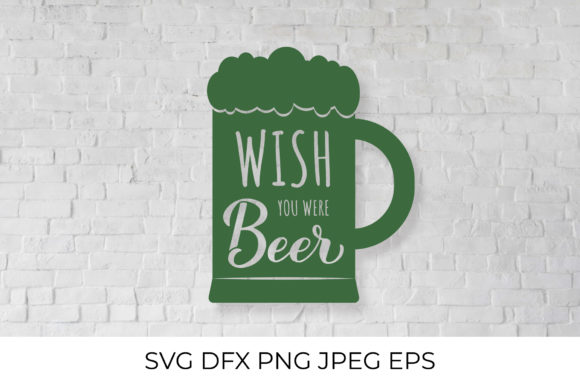
The layout of this Graphics asset feels intentional. The phrase "Wish You Were Beer" suggests a playful twist on the classic postcard trope, making it instantly recognizable and shareable. For an embroidery project, the typography is the star of the show. In my initial assessment, the letter spacing appears generous enough to handle thread expansion, which is crucial. Too often, designers cram letters together in their vector files, only to find that once converted to a fill stitch or satin stitch, the negative space disappears, turning legible words into a tangled mess. This design seems to respect the limitations of the needle.
The mood is lighthearted and festive, perfectly suited for holiday embroidery. It lacks the overly complex shading that can sometimes plague digital downloads intended for print but disastrous for thread. Instead, it relies on bold shapes and clear lines. This simplicity is a strength. It means the design can scale reasonably well, provided you stay within the recommended hoop size. Whether you are aiming for a subtle chest logo on a hoodie or a large statement piece on a tote, the visual personality remains consistent: fun, inviting, and distinctly Irish-adjacent.
Real-World Application: The Tote Bag Test
To truly evaluate this digital embroidery file, I envisioned a specific real-life scenario: a custom order for a local brewery's St. Patrick's Day event. The client wanted reusable tote bag design options for attendees. This is a high-stakes environment; the bags will be stuffed with heavy bottles, dragged across pavement, and potentially washed. Here, the durability of the stitch matters as much as the aesthetic.
If I were stitching Wish You Were Beer. Patrick s Day onto a canvas tote, I would lean heavily on a robust stabilizer. Canvas has a loose weave compared to quilting cotton, and without proper backing, the text could sink or pucker. The design's blocky nature works in our favor here. Large fill areas anchor the fabric well. For a small shop product like this, the perceived value comes from the crispness of the edges. If the "Beer" text looks fuzzy, the whole handmade product feels cheap. But if executed with high-quality thread colors—perhaps a vibrant green against a natural canvas—the result is a professional-grade item that customers will actually want to use.
Beyond totes, this design screams sweatshirt embroidery. Imagine a heather grey crewneck with the quote stitched in white and kelly green. It fits the current trend of comfortable, statement loungewear. For custom apparel, the stretch of the fabric is a concern. A design with long, continuous satin columns might break under tension, but if this file utilizes a combination of running and fill stitches as suggested by its vector roots, it should hold up well on fleece or cotton blends.
Navigating Fabric Textures and Challenges
Not every surface is created equal. While this design shines on flat, stable fabrics, caution is required elsewhere. If you are attempting this on a textured towel or a waffle-weave apron, the fine details of the lettering might get lost in the fabric's terrain. In these cases, a denser underlay or even an applique design approach (if you have the skills to adapt the SVG) could save the day. Cutting the letters from felt or twill and stitching them down eliminates the issue of fabric texture interfering with stitch clarity.
Dark fabrics present another hurdle. The original file likely assumes a light background. If you are stitching onto a black hat or a navy pillow cover, you must ensure your thread colors provide sufficient contrast. Do not rely on the default color map in your software; manually select bright, opaque threads. Furthermore, curved surfaces like caps require careful hooping. The center of the design must align perfectly with the cap's seam, or the "Wish You Were Beer" text will look crooked, ruining the brand consistency of your craft business.
Technical Considerations for the Pro
Before committing to a production run, there are several practical steps every embroidery designer should take. First, always test the design on scrap fabric that matches your final material. This is non-negotiable. You need to see how the stitch density interacts with the specific weave you are using. Second, check the small details. Are the dots on the "i"s too small? Will they stitch out as blobs? If so, you may need to edit the file in your digitizing software to enlarge those elements or convert them to simple running stitches.
It is also wise to view the design in black and white. This strips away the distraction of color and lets you focus purely on the form and balance. Does the weight of the word "Beer" visually overpower "Wish You Were"? If the composition feels off, no amount of pretty thread will fix it. Additionally, verify the licensing terms. The product description mentions usage for t-shirts, stickers, and mugs, which implies broad commercial potential. However, always confirm whether the license covers unlimited physical sales or if there are restrictions on selling the design assets themselves.
Maximizing Value and Customer Appeal
Ultimately, the success of Wish You Were Beer. Patrick s Day in your craft business depends on presentation. A well-executed stitch elevates a simple joke into a cherished personalized gift. Customers trust Etsy sellers who demonstrate attention to detail. When they see clean corners, consistent tension, and thoughtful fabric choices, they associate that quality with your brand. This design offers a fantastic opportunity to create printable mockup images for your online store before you even stitch a single thread. Use the included PNG and JPEG files to create lifestyle images that show the design on various products, helping buyers visualize the finished product.
In the crowded market of Crafts and holiday goods, standing out requires both creativity and technical competence. This design provides the creative spark; your expertise provides the execution. By respecting the nuances of fabric texture, choosing the right stabilizer, and understanding the limitations of your machine, you can turn this funny quote into a bestseller. Whether it ends up on a baby embroidery onesie for a photoshoot or a rugged patch for a biker vest, the potential is there. Just remember: the difference between a hobbyist attempt and a professional commercial embroidery job often lies in the preparation. Test, adjust, and then stitch with confidence.