I Chews Choose You: A Designer’s Review
As an embroidery designer who has spent countless hours digitizing, testing, and stitching out designs for clients and my own small shop, I have learned that not every cute graphic translates well to thread. We often browse marketplaces looking for the next best seller, scrolling past thousands of Graphics and vector files. When I first encountered I Chews Choose You Cute Dog Bone Paw, designed by Caty Catherine, my initial reaction was one of cautious optimism. The pun is charming, the imagery is universally loved by pet owners, but the real question for any serious crafter or Etsy seller is simple: does it stitch out as cleanly as it looks on the screen?
In this review, I am evaluating this design not just as a digital asset, but as a functional component of a real-world embroidery project. I want to walk you through how this file performs when put under the needle, considering factors like stitch density, fabric compatibility, and commercial viability.
First Impressions and Visual Personality
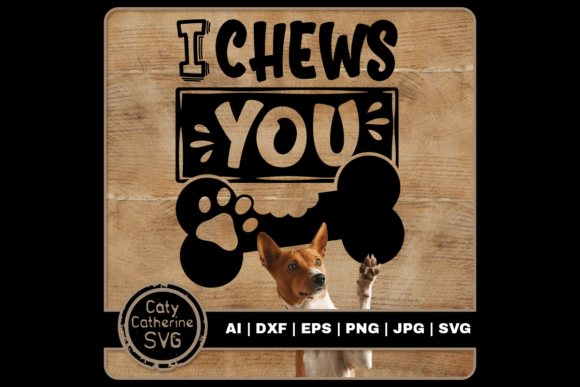
The mood of I Chews Choose You Cute Dog Bone Paw is undeniably warm and playful. It taps into the massive market of dog lovers who view their pets as family members. From a design perspective, the layout appears balanced, combining typography with iconic symbols—the bone and the paw print. For those of us in the Crafts industry, we know that clarity is king. A design that looks busy on a computer monitor can become a tangled mess of thread if the elements are too close together or if the lettering is too intricate for standard home embroidery machines.
This particular design seems to lean into a bold, readable aesthetic. This is crucial for custom apparel and personalized gift items where the message needs to be legible from a distance. The visual personality suggests it belongs on casual, comfort-focused items rather than formal wear. It feels right at home on a cozy Sunday morning sweatshirt or a durable canvas tote bag.
Real-World Application: The Tote Bag Test
To truly understand the value of a machine embroidery design, you have to imagine it on a specific product. Let’s consider a common scenario: preparing a custom embroidered tote bag for a local craft fair. Tote bags are typically made from medium-weight cotton or canvas, which provides a stable surface for stitching.
If I were using I Chews Choose You Cute Dog Bone Paw for this application, I would be looking at how the text interacts with the graphical elements. On a tote, you have ample space, so a larger hoop size is usually available. This allows the design to breathe. The "bone" and "paw" elements likely serve as anchors for the text. In a real-life stitching scenario, I would pay close attention to the transitions between the text and the icons. Are there jump stitches that need trimming? Is the spacing consistent?
For an Etsy seller, consistency is key to building brand trust. If this design stitches out cleanly on a tote, it establishes a baseline for quality. Customers touching the finished product should feel the texture of the thread without encountering excessive bulk or loose ends. A clean stitch-out on a high-traffic item like a tote bag proves the design’s durability and aesthetic appeal.
Fabric Considerations and Stitching Challenges
While the design may look perfect on a white background in a printable mockup, real fabrics introduce variables. One of the primary concerns with any design containing text and small details is the fabric texture. If you are planning to use this on a textured towel or a fluffy fleece blanket, the smaller details of the paw print or the serifs of the font might get lost.
For baby embroidery projects, such as onesies or burp cloths, the fabric is often softer and more delicate. Here, the stitch density becomes a critical factor. If the design is too dense, it can pucker the thin fabric, ruining the look of the finished product. I always recommend testing on scrap fabric first. Use a cut-away stabilizer for knits and stretchy fabrics to prevent distortion. For woven fabrics like aprons or pillow covers, a tear-away stabilizer might suffice, but always check the manufacturer's recommendations for the specific embroidery file format you are using.
Another challenge arises with dark fabrics. If you are stitching white or light-colored thread on a navy or black sweatshirt, you must ensure that the underlying fabric does not show through the stitches. This is where the quality of the digitizing matters. A well-digitized design will have appropriate underlay stitches to cover the fabric color. Since I Chews Choose You Cute Dog Bone Paw is provided in multiple formats including SVG, PNG, EPS, DXF, and JPG, it is versatile for various cutting and printing methods, but for embroidery, you must ensure you are using the correct machine-compatible file type, which is not explicitly listed as PES or DST in the description. Always confirm the specific machine format with the designer before purchase if it is not clearly stated.
Commercial Viability and Brand Consistency
For small shop product creators, the ultimate goal is sales. Does this design sell? The "dog mom" and pet lover niche is evergreen. Designs that combine humor with affection, like this one, tend to perform well year-round, with spikes during holidays like Valentine’s Day or National Dog Day.
When using this as a commercial embroidery asset, consider your brand consistency. If your shop specializes in minimalist, modern designs, this playful, pun-based graphic might feel out of place. However, if your brand is about warmth, family, and fun, it fits perfectly. It works exceptionally well for holiday embroidery gifts, such as matching family pajamas or personalized stockings.
Moreover, the versatility of the file formats offered—SVG, Transparent PNG, EPS, DXF, JPG—means this isn't just for embroidery. It can be used for sublimation, vinyl cutting, or printable wall art. This multi-use potential increases the value for creative entrepreneurs who want to maximize their design assets. You can create a cohesive product line featuring the same graphic across different mediums, from an embroidered patch to a printed mug.
Practical Designer Notes for Best Results
Before you commit to stitching this on a customer’s expensive garment, follow these practical steps:
- Test on Scrap Fabric: Always run a test stitch on the same type of fabric you intend to use for the final product. This helps you identify any tension issues or puckering.
- Check Thread Contrast: Ensure your thread colors contrast sufficiently with the fabric. High contrast improves readability, especially for the text portion of the design.
- Review Stitch Density: If the design feels too stiff after stitching, it may be too dense. Adjust your machine settings or choose a lighter weight fabric if possible.
- Confirm Hoop Size: Make sure the design fits within your machine’s hoop capabilities. While the exact dimensions are not provided here, visually estimate the size relative to your standard hoops (4x4, 5x7, etc.).
- Inspect Small Details: Zoom in on the digital file. Are there tiny elements that might break or tangle? Simplify if necessary by removing overly small details for smaller hoop sizes.
- Licensing Verification: Since this is a digital product, confirm the license terms. Can you use it for commercial sales of physical items? Can you resell the digital file? Most designers allow commercial use for finished physical goods but prohibit reselling the digital file itself.
Final Verdict
I Chews Choose You Cute Dog Bone Paw is a strong contender for anyone in the pet-themed niche. Its strength lies in its emotional connection and clear, bold layout. While it requires careful attention to fabric choice and stabilizer selection to ensure a professional finish, the potential for creating beloved handmade products is high. Whether you are creating a sweatshirt embroidery piece for a client or a batch of tote bags for a local market, this design offers the charm and clarity needed to engage buyers. Just remember to test, stabilize, and stitch with confidence.